
"processing station"
2000 article(s) found

Chinese Coffee Bean Market Nestle Coffee Center stationed in Pu'er Industrial Park
After nearly 30 years of deep cultivation of Pu'er, the large-scale project of Nestle Coffee Center has recently officially entered the Pu'er Industrial Park. The center will greatly enhance its ability to provide training and technical support to farmers and coffee practitioners, and further improve and promote the development of Pu'er coffee industry. Representatives of Pu'er Industrial Park and Nestle Company jointly signed a cooperation agreement in Pu'er. Nestl é's pioneering role in Yunnan

Kenyan Jinchu Coffee Variety characteristics of sour Red Wine introduction to Fine Coffee beans in Manor
Enbu processing Plant (Embu Washing Station), which comes from Gichugu, adopts Kenyan double washing method and grows in Manyata-Enbu County on the eastern slope of the Kenyan Mountains from 1550 to 1750. The variety is Kenya's classic SL28,SL34, coupled with the large temperature difference between day and night in the deceived area, and the red phosphoric acid soil in Kenya, which makes the sour and sweet become the second order of this Kenyan branch.

Red wine fruit acid Kenyan Jinchugu Coffee Variety characteristics introduction to Fine Coffee beans in Manor
Enbu processing Plant (Embu Washing Station), which comes from Gichugu, adopts Kenyan double washing method and grows in Manyata-Enbu County on the eastern slope of the Kenyan Mountains from 1550 to 1750. The variety is Kenya's classic SL28,SL34, coupled with the large temperature difference between day and night in the deceived area, and the red phosphoric acid soil in Kenya, which makes the sour and sweet become the second order of this Kenyan branch.
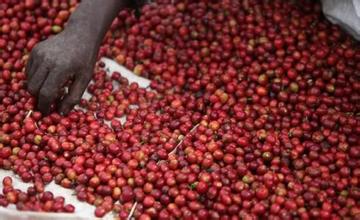
Sugar cane juice Red Wine Fruit Acid Kenyan Jinchu Coffee Flavor, characteristics, taste and Manor introduction
Enbu processing Plant (Embu Washing Station), which comes from Gichugu, adopts Kenyan double washing method and grows in Manyata-Enbu County on the eastern slope of the Kenyan Mountains from 1550 to 1750. The variety is Kenya's classic SL28,SL34, coupled with the large temperature difference between day and night in the deceived area, and the red phosphoric acid soil in Kenya, which makes the sour and sweet become the second order of this Kenyan branch.
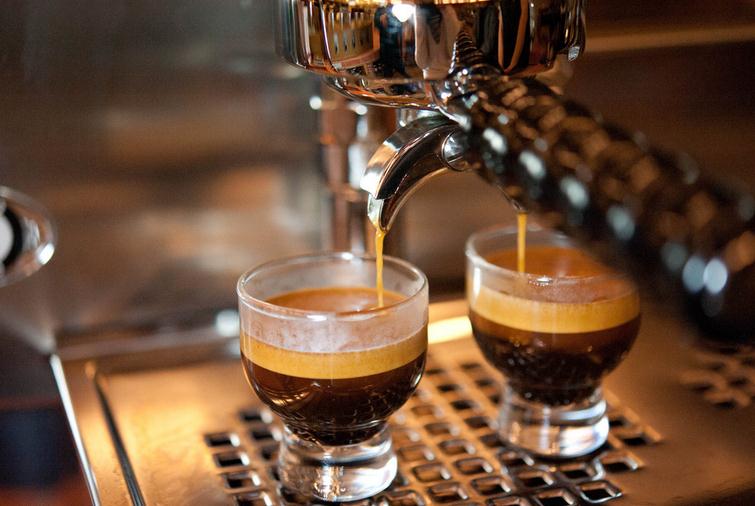
Kenyan Jinchu Coffee Flavor Kenya Jinchu Coffee characteristics Kenyan Jinchu Coffee taste
Enbu processing Plant (Embu Washing Station), which comes from Gichugu, adopts Kenyan double washing method and grows in Manyata-Enbu County on the eastern slope of the Kenyan Mountains from 1550 to 1750. The variety is Kenya's classic SL28,SL34, coupled with the large temperature difference between day and night in the deceived area, and the red phosphoric acid soil in Kenya, which makes the sour and sweet become the second order of this Kenyan branch.

Fruit acid red wine Kenyan Jinchugu Coffee Variety Taste characteristics introduction of Fine Coffee beans in Manor
Enbu processing Plant (Embu Washing Station), which comes from Gichugu, adopts Kenyan double washing method and grows in Manyata-Enbu County on the eastern slope of the Kenyan Mountains from 1550 to 1750. The variety is Kenya's classic SL28,SL34, coupled with the large temperature difference between day and night in the deceived area, and the red phosphoric acid soil in Kenya, which makes the sour and sweet become the second order of this Kenyan branch.

Brief introduction of Rwanda Coffee beans how much is the coffee bean per jin
Malaba Coffee (Rwandan: Ikawa ya Maraba, French: Caf de Maraba) is Fairtrade certified coffee grown in the Malaba area of southern Rwanda. Malaba's coffee crop is a bourbon of the Arabica species and is grown in fertile volcanic soil on high-altitude hills. The fruits of coffee trees are mainly picked manually during the rainy season from March to May.
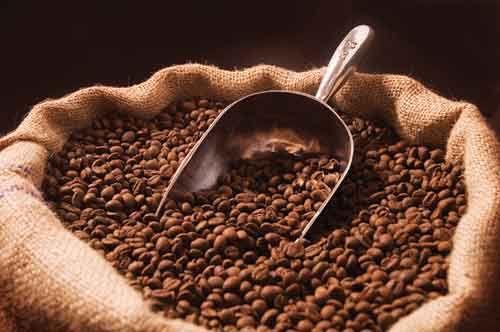
Sugar cane juice, Kenyan Jinchu Coffee with sour red wine, its flavor, characteristics, taste and manor introduction
Enbu processing Plant (Embu Washing Station), which comes from Gichugu, adopts Kenyan double washing method and grows in Manyata-Enbu County on the eastern slope of the Kenyan Mountains from 1550 to 1750. The variety is Kenya's classic SL28,SL34, coupled with the large temperature difference between day and night in the deceived area, and the red phosphoric acid soil in Kenya, which makes the sour and sweet become the second order of this Kenyan branch.

A brief introduction to the treatment of Coffee and Soybean Honey Ye Jia Xuefei Red Cherry Sun G1 has a rich fruit flavor
Professional coffee knowledge exchange more coffee bean information please follow the coffee workshop (Wechat official account cafe_style) front street-a brief introduction to the sun characteristics of Yega Xuefei, in addition to Ethiopia's legendary status as the birthplace of Arabica coffee, it is also the fifth coffee producer in the world and the first coffee producer in Africa. Ask about Ethiopia's most representative coffee.

A brief introduction to the treatment method of Grinding degree and Baking degree of Fine Coffee beans in soft and full-bodied Coffee Manor
Between 700 BC and 1500 AD, some Bantu groups moved to Rwanda to destroy forests and open up wasteland to grow crops. In the 16th century, the Tutsi established a feudal kingdom. In 1884, the Berlin West Africa Conference assigned the territory to the German Empire as part of German East Africa, marking the beginning of the colonial era in Rwanda. In 1890, it was reduced to a German protected place in East Africa. For the first time, the world is big.

Restaurants recommended by Japanese restaurants to visit Japan are all good restaurants.
Professional coffee knowledge exchange more coffee bean information please follow the coffee workshop (Wechat official account cafe_style) Japanese coffee has been constantly evolving. From drip coffee in convenience stores to exquisite specialty coffee, delicious coffee can be found all over Japan. Here we will introduce you to cafes that you can visit on your way. Maruyama Coffee (

The world's top coffee beans Ethiopian boutique coffee bean treatment, washing treatment is the same?
Washed coffee beans can be found in most Ethiopian producing areas. Coffee farmers pick and select coffee fruits, and most of them are transported to washing treatment stations for treatment. Washing process: after receiving the coffee fruit, the workers in the washing station will first pre-soak it to screen sundries or remove substandard coffee beans.
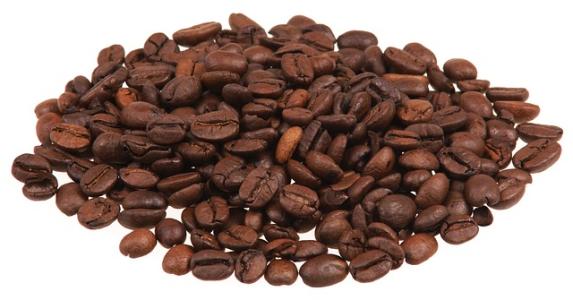
An introduction to the Historical Origin of Malaba Coffee in Rwanda
Following caf é (Wechat official account vdailycom) found that Malaba Coffee, Rwanda Malaba Coffee (Rwandan: Ikawa ya Maraba, French: Caf de Maraba) is a fair trade certified coffee grown in Malaba area of southern Rwanda. The coffee crop of Malaba is a bourbon variety of Arabica species.

The influence of Zhuoyue Cup on Rwanda Coffee Industry Flavor characteristics of washing treatment of Rwandan Coffee beans
The 2008 excellent Cup encourages coffee farmers to circulate and promote the ranks of high-quality beans. Before the introduction of the excellent cup, the vast majority of coffee in Rwanda was disorderly, there was no obvious difference in quality, and there was no specific description of the flavor characteristics of high-quality beans. After the introduction of the Excellence Cup, international experts began to record and discuss Jean Lew in depth.

Flavor characteristics of Rwandan Coffee treated by Information Solar and Honey in Rwanda Rugali Lugali processing Plant
Professional coffee knowledge exchange more coffee bean information Please pay attention to Coffee Workshop (Wechat official account cafe_style) Rugali processing plant is one of the only two recognized possible processing plants in Rwanda for sun and honey treatment. the climate and environment here in Rugali allows beans to dry at a slower rate. This kind of slow drying can retain the complete flavor in the coffee bean cells.

Yega Sheffield Coffee brewing different brewing filter cups brewing Essex Sheffield Biroya Coffee
Coffee beans from the Yegashafi region of Ethiopia have always been the best-selling beans on the front street, and their bright acidity of citrus and berries are loved by their friends. Recently Qianjie started with Biloya from Yega Ficher to boil the bean in different ways to see if the flavor of the bean is different. Country of origin: Ethiopia: Yejiaxue

Sugarcane Juice Red Wine Fruit Acid, Kenya Kam Early Valley Coffee Flavor, Characteristics, Taste and Estate Introduction
Embu Washing Station from Gichugu region, Kenyan double washing method, growing in Manyata-Embu County on the eastern slope of Kenya Mountains from 1550 to 1750, varieties are Kenya classic SL28, SL34, plus the large temperature difference between day and night, and Kenya's red phosphoric acid soil, making this Kenya's second sour and sweet

Fruit acid red wine Kenya Jinchu Valley Coffee Variety characteristics Taste Manor Boutique Coffee Bean Flavor Introduction
Embu Washing Station from Gichugu region, Kenyan double washing method, growing in Manyata-Embu County on the eastern slope of Kenya Mountains from 1550 to 1750, varieties are Kenya classic SL28, SL34, plus the large temperature difference between day and night, and Kenya's red phosphoric acid soil, making this Kenya's second sour and sweet

The technological process of Humbera coffee beans recommended by Shanquan treatment plant in Esseguji production area
The quality of Qianjie Huakui coffee beans has always been very excellent. The boutique coffee was harvested near the city of Hambella in the Guji region of Ethiopia. The area is more than 2000 meters above sea level. Few plantations are located at this altitude, which is why this naturally processed coffee has a rich fruity flavor and a sweet return of sugar. Huakui in Qianjie is from Shanquan treatment plant.

Red wine fruit acid Kenya Jin early valley coffee varieties taste characteristics Manor boutique coffee beans flavor introduction
Embu Washing Station from Gichugu region, Kenyan double washing method, growing in Manyata-Embu County on the eastern slope of Kenya Mountains from 1550 to 1750, varieties are Kenya classic SL28, SL34, plus the large temperature difference between day and night, and Kenya's red phosphoric acid soil, making this Kenya's second sour and sweet